
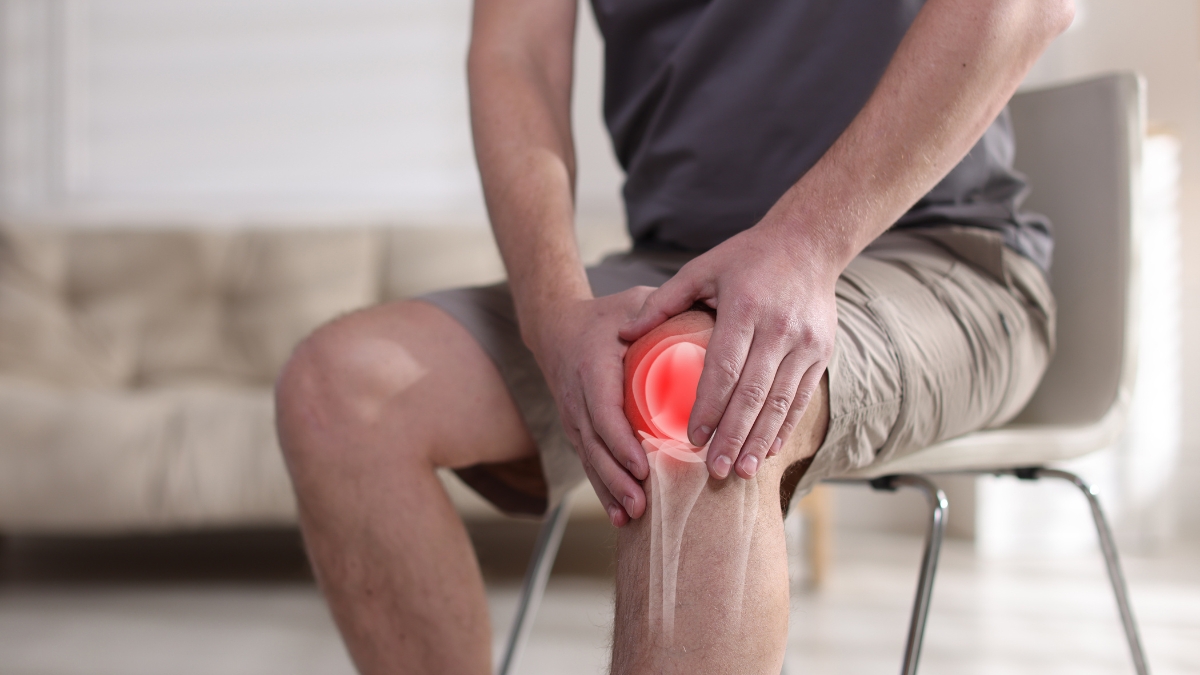
Joint pain is something many people choose to live with—at least for a while. A mild knee ache, shoulder stiffness, or occasional hip discomfort often gets brushed off as “normal ageing”, overuse, or temporary strain. Busy schedules, fear of surgery, or the hope that pain will resolve on its own can all contribute to delaying medical attention.
However, joint pain is rarely random. It is often your body’s way of signalling that something isn’t right. Ignoring it for too long can turn a manageable condition into a serious, long-term problem. Let’s dive deep into what really happens when joint pain is neglected, why early intervention matters, and when it’s time to seek expert care.
Why Joint Pain Shouldn’t Be Ignored
Joints are complex structures made up of cartilage, ligaments, tendons, synovial fluid, and bone. When any part of this system is stressed or damaged, pain develops as a warning sign.
While occasional soreness after activity is normal, persistent or worsening joint pain is not. Consulting an experienced orthopedic doctor in Ahmedabad at the right time can often prevent further damage and help maintain long-term joint health.
Early Joint Pain vs Chronic Joint Damage
Understanding the difference between early-stage pain and advanced joint disease is crucial.
| Early Joint Pain | Ignored Joint Pain |
| Mild discomfort | Constant pain |
| Occasional stiffness | Severe stiffness |
| Pain with activity | Pain even at rest |
| Normal movement | Reduced mobility |
| Treatable conservatively | May require surgery |
When early symptoms are ignored, the condition often progresses silently until daily activities become difficult.
What Happens Inside the Joint Over Time
1. Progressive Cartilage Wear
Cartilage acts as a cushion between bones. When joint pain is ignored, cartilage continues to wear down without repair. Once cartilage loss becomes significant, bones start rubbing against each other, causing increased pain and stiffness.
This progression is common in osteoarthritis, especially in weight-bearing joints like the knees and hips.
2. Increased Inflammation and Swelling
Untreated joint issues lead to chronic inflammation. Over time, inflammation can:
- Damage to surrounding tissues
- Reduce joint lubrication
- Increase stiffness
- Limit the range of motion
What starts as mild swelling can become a constant issue affecting daily comfort.
3. Loss of Mobility and Flexibility
One of the biggest consequences of ignoring joint pain is the gradual loss of movement. People often unconsciously reduce joint use to avoid pain, which leads to muscle weakness and joint stiffness.
This creates a cycle:
Pain → Reduced movement → Muscle weakness → More joint stress → More pain
Breaking this cycle early is far easier than treating it later.
4. Postural Changes and Secondary Pain
When one joint hurts, the body compensates by shifting weight or movement patterns. Over time, this compensation leads to secondary problems.
Common examples include:
- Knee pain leading to hip or lower back pain
- Shoulder pain causing neck stiffness
- Ankle pain affecting walking posture
Ignoring one joint issue can eventually impact multiple areas of the body.
Mental and Emotional Impact of Untreated Joint Pain
Chronic joint pain doesn’t only affect physical health. It can also impact emotional well-being.
Long-term pain may lead to:
- Sleep disturbances
- Reduced physical activity
- Weight gain
- Irritability or low mood
- Loss of independence
Over time, this can significantly affect quality of life and confidence in daily activities.
When Joint Pain Turns Into Joint Damage
Delayed treatment often reduces the number of non-surgical options available. Conditions that could have been managed with physiotherapy, medication, or lifestyle changes may eventually require surgical intervention.
For example, advanced knee arthritis caused by years of untreated pain may require consultation with a best knee replacement surgeon in Ahmedabad when conservative treatments no longer provide relief.
Warning Signs You Should Never Ignore
If you experience any of the following, it’s important to seek medical advice promptly:
| Warning Sign | What It Indicates |
| Pain lasting more than 2–3 weeks | Underlying joint issue |
| Swelling or warmth | Inflammation or injury |
| Joint locking or catching | Structural damage |
| Pain at rest or at night | Advanced joint problem |
| Difficulty walking or lifting | Functional impairment |
Early evaluation can prevent long-term damage.
How Early Treatment Makes a Difference
Timely diagnosis allows for less invasive and more effective treatment options.
Early-stage joint care may include:
- Activity modification
- Physiotherapy
- Weight management
- Anti-inflammatory medication
- Joint injections
- Strengthening exercises
These approaches are far more effective before joint damage becomes severe.
The Role of Specialist Care
Every joint condition is unique. Proper diagnosis requires clinical evaluation, imaging, and a tailored treatment plan. An experienced orthopaedic specialist can determine whether pain is caused by injury, degeneration, alignment issues, or inflammation.
Seeing an orthopedic doctor in Ahmedabad early helps ensure:
- Accurate diagnosis
- Personalised treatment
- Prevention of disease progression
- Better long-term outcomes
Why People Delay Seeking Help
Many patients delay treatment because:
- Pain feels manageable at first
- Fear of surgery
- Busy lifestyle
- Temporary relief from painkillers
Unfortunately, painkillers only mask symptoms—they don’t stop joint damage.
Can Joint Damage Be Reversed?
In early stages, joint damage progression can often be slowed or stabilised. However, once cartilage loss becomes severe, reversal is not possible. At that stage, treatment focuses on pain relief and restoring function—sometimes through surgical procedures such as joint replacement.
This is why early action matters.
Final Thoughts
Ignoring joint pain may seem harmless in the beginning, but over time it can lead to irreversible damage, reduced mobility, and a lower quality of life. What starts as mild discomfort can quietly progress into chronic pain or the need for surgical intervention.
Listening to your body and seeking timely medical advice can make a significant difference. Early care not only preserves joint function but also helps you stay active, independent, and pain-free for longer.
If joint pain is affecting your daily life—even slightly—it’s worth addressing sooner rather than later. Your joints carry you through life; taking care of them early is an investment in your future health and mobility.


