
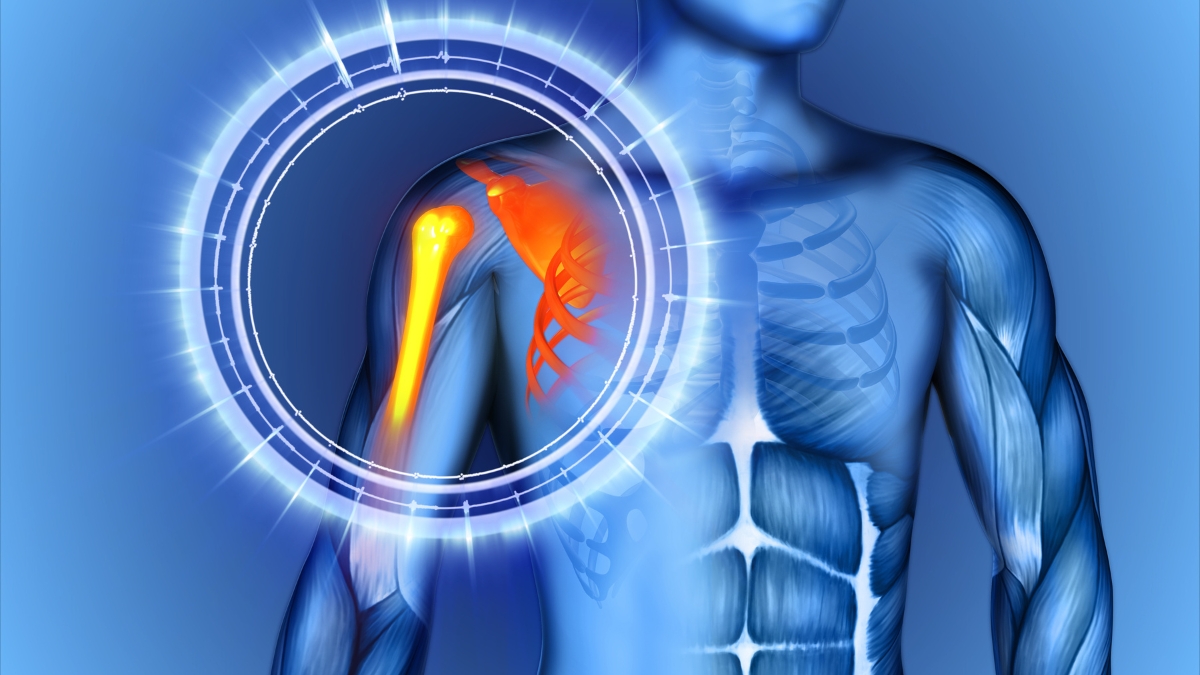
Arthroscopy is a minimally invasive procedure, but recovery still requires time, patience, and—most importantly—a structured rehabilitation plan. Whether the surgery involves the shoulder, knee, or another joint, what you do after the procedure plays a major role in how well and how quickly you heal.
Many patients feel unsure about how much movement is safe, when pain should reduce, and how soon they can return to normal life. A clear, week-by-week rehab plan helps remove confusion, prevents setbacks, and supports long-term joint health.
Why Post-Arthroscopy Rehabilitation Matters
Although arthroscopy involves small incisions, the joint tissues inside still need time to recover. Skipping or rushing rehabilitation can lead to stiffness, weakness, or even re-injury.
A guided rehab plan helps:
- Reduce pain and swelling
- Restore joint mobility safely
- Rebuild muscle strength
- Improve long-term function
- Lower the risk of complications
Patients recovering under the guidance of an experienced orthopaedic surgeon in Ahmedabad often achieve better outcomes because rehab is tailored to the type of procedure and the patient’s lifestyle.
The 6-Week Post-Arthroscopy Recovery Plan
Below is a structured recovery timeline. Keep in mind that exact progress may vary depending on the joint involved and the complexity of the surgery.
Weeks 1–2: Protection and Pain Control
Primary focus: Healing, swelling reduction, and gentle movement
| Goal | What to Do |
| Control pain & swelling | Ice therapy, prescribed medications |
| Protect the joint | Use sling or brace if advised |
| Prevent stiffness | Gentle, pain-free movements |
| Maintain circulation | Light hand, wrist, or ankle movements |
At this stage, rest is essential. Overuse can delay healing, so movements should be slow and controlled. For shoulder arthroscopy patients, guidance from a shoulder specialist in Ahmedabad is particularly important to avoid stressing delicate structures too early.
Weeks 3–4: Regaining Movement and Control
Primary focus: Improving range of motion and muscle activation
| Area | Rehabilitation Focus |
| Mobility | Assisted and active range-of-motion exercises |
| Strength | Light muscle activation without resistance |
| Posture | Correct joint positioning and alignment |
| Daily activity | Gradual return to basic tasks |
Pain should start reducing during this phase. Controlled movement helps prevent joint stiffness while maintaining surgical repair integrity. Physiotherapy sessions often increase during this stage.
Weeks 5–6: Strengthening and Stability
Primary focus: Restoring strength and preparing for normal activity
| Exercise Type | Purpose |
| Resistance training | Build muscle strength |
| Stability exercises | Improve joint control |
| Functional movements | Prepare for daily activities |
| Endurance work | Improve joint tolerance |
Patients often feel more confident during this phase, but it’s important not to rush. Strengthening should be progressive and supervised to prevent overloading healing tissues.
Pain vs Progress: Knowing the Difference
A common concern during rehab is distinguishing normal discomfort from warning signs.
| Sensation | What It Means |
| Mild soreness | Normal muscle adaptation |
| Sharp or worsening pain | Possible overuse or injury |
| Swelling after exercise | Adjust intensity |
| Increasing stiffness | May need exercise modification |
If pain persists or worsens, it’s essential to consult your surgeon promptly.
Nutrition and Lifestyle Support Healing
Rehabilitation isn’t limited to exercises alone. Your lifestyle choices play a significant role in recovery speed.
Helpful habits include:
- High-protein diet for tissue repair
- Adequate hydration
- Proper sleep for healing
- Avoiding smoking and alcohol
These factors support inflammation control and muscle recovery.
When Can You Return to Work or Sports?
Return timelines depend on the joint treated and the nature of your work or sport.
| Activity Type | Estimated Timeline |
| Desk work | 2–4 weeks |
| Light physical work | 4–6 weeks |
| Sports activities | 8–12 weeks (or longer) |
| Heavy lifting | As advised by the surgeon |
Your recovery plan should always be personalised based on your condition and surgical findings.
Why Expert Follow-Up Makes a Difference
Arthroscopy recovery is not one-size-fits-all. Regular follow-ups ensure exercises are adjusted at the right time and that healing is progressing safely.
Consulting an experienced orthopaedic surgeonensures:
- Personalised rehab guidance
- Early detection of complications
- Better long-term joint function
For shoulder procedures in particular, ongoing evaluation by a shoulder specialisthelps protect joint stability while restoring strength and mobility.
Common Mistakes to Avoid During Rehab
| Mistake | Why It’s Risky |
| Skipping physiotherapy | Delays recovery |
| Pushing through pain | Increases injury risk |
| Returning to activity too early | Can damage repaired tissue |
| Ignoring follow-ups | Misses early warning signs |
Avoiding these mistakes helps ensure a smoother and faster recovery.
Final Thoughts
A successful arthroscopy outcome depends just as much on rehabilitation as it does on the surgery itself. A structured 6-week recovery plan allows your body to heal at the right pace while restoring strength, flexibility, and confidence.
By following a guided rehab program and staying in regular contact with your healthcare provider, you can return to daily activities safely and reduce the risk of long-term issues. With expert care, patience, and consistency, a faster and stronger recovery is absolutely achievable.


