
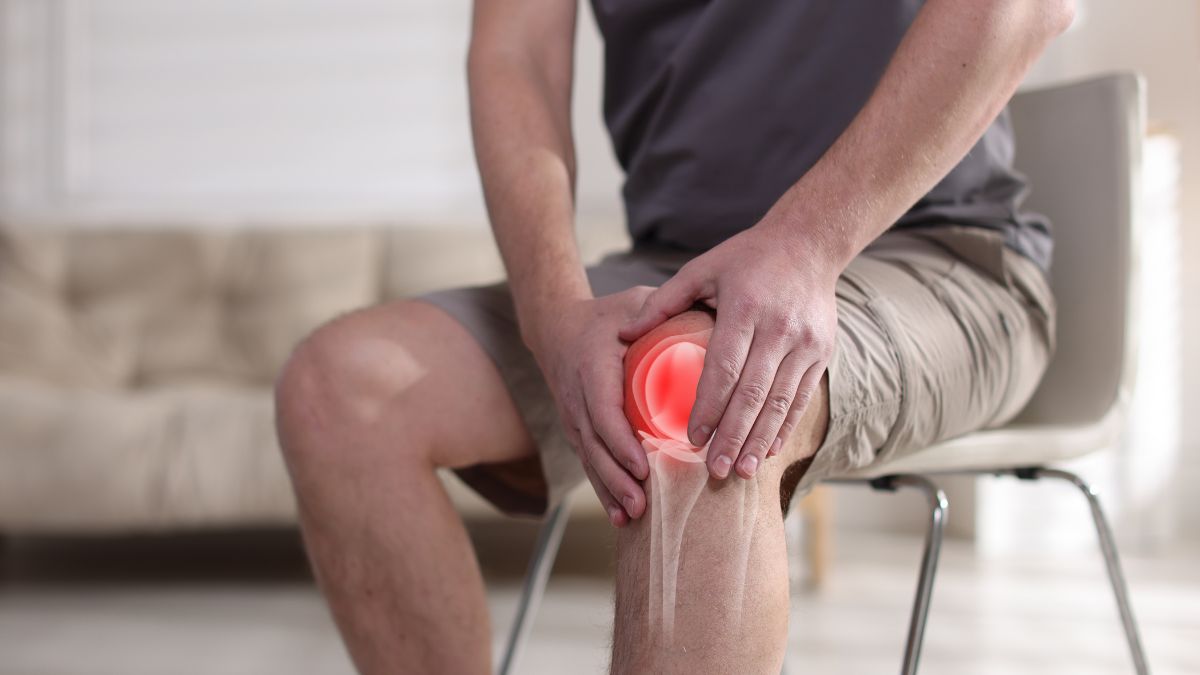
You might twist your ankle while walking, miss a step on the stairs, or feel a sudden pull during a normal activity. At that moment, it may not seem serious, so you ignore it or manage it with rest and basic home remedies.
But when the pain doesn’t go away, swelling continues, or the joint doesn’t feel stable, it starts affecting your daily routine. What you initially thought was a minor issue could actually be a ligament injury that needs proper attention.
In this blog, you’ll understand how to recognize the signs of a ligament injury, when you should consult a specialist, and what treatment options are available so you can recover safely and avoid long-term problems.
What Exactly Happens When You Injure a Ligament?
When that sudden twist or strain happens, the impact is not always immediately obvious. You may still be able to move, which is why it often feels like something minor. However, inside the joint, the ligament may have already been stretched or damaged.
Since ligaments are responsible for keeping your joint stable, even a small injury can affect how securely the joint functions. This is why, over the next few hours or days, you might start noticing swelling, discomfort, or a feeling that something isn’t quite right, gradually affecting your normal movement.
Common Signs You Should Not Ignore
Most people wait for the pain to become severe before taking action. But ligament injuries usually show early signs — you just need to pay attention.
You should not ignore it if you notice:
- Swelling that does not settle even after a couple of days
- Pain when you try to move or put weight on the joint
- A feeling that the joint is not as strong as before
- Instability, as it might suddenly give way
- Stiffness that limits your normal movement
If you find yourself adjusting how you walk, sit, or move because of discomfort, that is a clear signal your body is asking for proper treatment.
Why Ignoring a Ligament Injury Can Make Things Worse
It is quite common to delay treatment, especially when the pain feels manageable. You may assume it will improve with time, but this is where the problem often begins. When a ligament does not heal properly, the joint does not regain its original strength and stability. As a result, it becomes more vulnerable to repeated strain or injury, even during normal activities.
Over time, you may start noticing that earlier comfortable movements—like walking, climbing stairs, or light exercise—begin to cause discomfort or hesitation. This gradual weakness can affect not just your mobility, but also your confidence in using that joint freely. What starts as a minor issue can slowly turn into a recurring problem if left unattended. Seeking timely care helps ensure proper healing and reduces the risk of long-term complications.
Treatment Options – What Works Best for You
Treatment depends on how severe your injury is. The important thing to understand is that not every ligament injury requires surgery.
a) Non-Surgical Treatment (For Mild to Moderate Injuries)
In many cases, the focus is on helping your body heal naturally while restoring strength and stability.
This usually involves:
- Managing swelling and pain in the initial phase
- Guided physiotherapy to improve movement
- Strengthening the joint to prevent further strain
- Using support if the joint needs stability
With the right approach, most people recover well and return to their normal routine without any surgical treatment.
b) Advanced Treatment (When Required)
If the ligament is significantly torn or does not heal with conservative treatment, advanced options may be considered.
This can include minimally invasive procedures or surgical repair to restore proper function of the joint. In more advanced cases, an orthopaedic specialist in Ahmedabad can evaluate the most appropriate treatment approach based on the condition of the joint.
The goal is not just to fix the injury, but to ensure that you regain confidence in your movement. For injuries involving upper body joints, consulting a shoulder specialist in Ahmedabad can help you get more targeted care.
Recovery – What You Can Expect
One of the most common mistakes people make is assuming that once the pain reduces, the injury has completely healed.
In reality, recovery takes time, and it depends on how well you follow the treatment plan.
You may start feeling better in a few weeks, but complete healing requires:
- Consistent physiotherapy
- Gradual return to activity
- Avoiding unnecessary strain on the joint
If you rush this phase, you increase the chances of re-injury.
How You Can Reduce the Risk of Re-Injury
Once you recover, your focus should shift to protecting that joint.
Many people stop exercising as soon as they feel better, which is why the same injury comes back.
To avoid this:
- Continue strengthening exercises as advised
- Be careful with movements that caused the injury earlier
- Do not suddenly increase physical activity
- Use proper support during sports or heavy activity
A little extra care at this stage can prevent you from going through the same problem again.
When Should You Consult a Specialist?
You don’t have to wait for the pain to become severe before seeking help. In many cases, early evaluation can prevent the injury from getting worse and reduce your recovery time.
If your symptoms are not improving as expected, it is a sign that the injury may need medical attention rather than just rest.
You should consider consulting a specialist if:
- The pain continues for more than a few days despite rest
- You find it difficult to put weight on the affected joint
- Swelling reduces and then comes back again after activity
- The joint feels unstable or does not feel as strong as before
These signs usually indicate that the ligament has not healed properly or may be more seriously affected than it seems.
Conclusion—Don’t Ignore What Your Body is Telling You
Ligament injuries often start small, but they rarely resolve properly if ignored. If you are experiencing ongoing discomfort, swelling, or instability, it is important to take it seriously. Getting the right diagnosis and treatment at the right time can help you recover fully and avoid long-term issues. More importantly, it allows you to return to your daily routine with confidence and without constant discomfort.
If you are facing any joint-related concerns, consulting an experienced orthopaedic specialist in Ahmedabad can help you take the right step towards recovery.
Frequently Asked Questions
How do I know if my ligament is torn or just sprained?
It can be difficult to tell on your own. A mild sprain may cause slight pain and swelling, while a tear often leads to significant swelling, instability, and difficulty using the joint. A proper examination is the best way to confirm it.
How long does it take to recover from a ligament injury?
Recovery time depends on the severity. Minor injuries may take a few weeks, while more serious ones can take several weeks to months, especially if rehabilitation is required.
Do all ligament injuries require surgery?
No, most ligament injuries can be treated without surgery. Surgery is usually recommended only in severe cases where the ligament is completely torn or not healing.
Is physiotherapy necessary for ligament injuries?
Yes, physiotherapy is essential to regain strength, flexibility, and stability and to reduce the risk of re-injury.


