
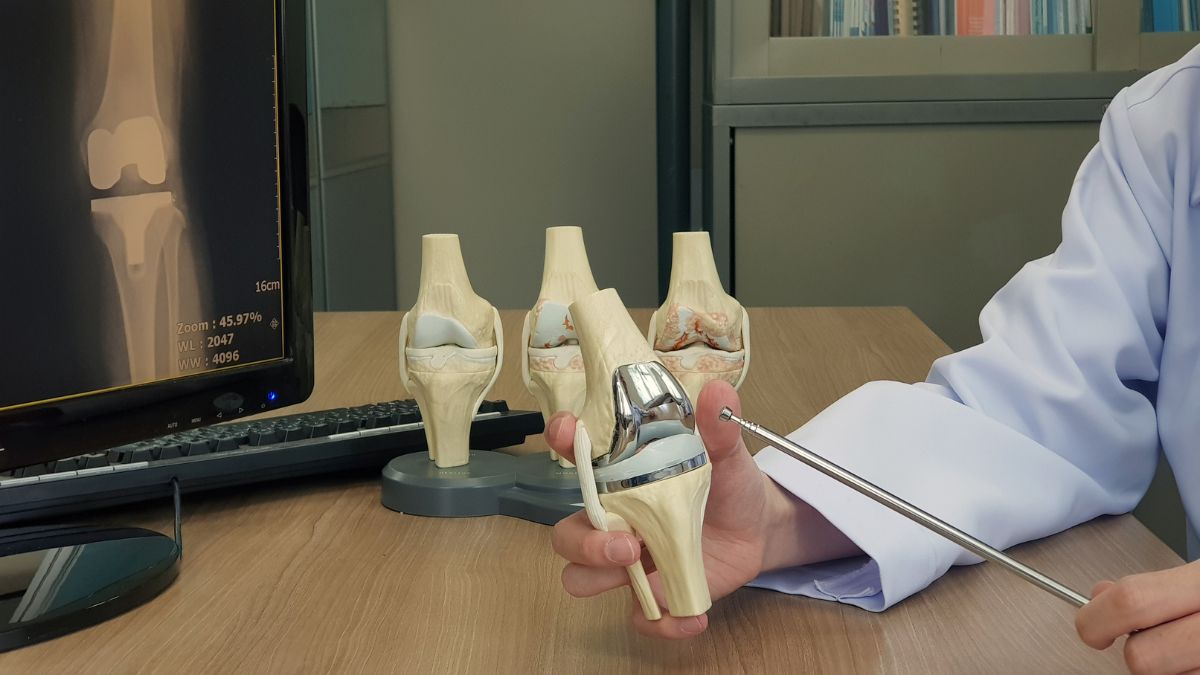
Knee pain often begins gradually. At first, it may feel like a minor discomfort — something you notice while climbing stairs, sitting for long hours, or walking more than usual. Over time, it starts becoming a part of your daily routine. As the pain continues, you may begin exploring treatment options. That’s when the confusion sets in. You hear terms like arthroscopy and knee replacement, but it is not always clear which one is actually meant for your condition.
What matters here is not choosing a procedure based on what you have heard but understanding what your knee actually needs. The right treatment depends on the cause of your pain, its severity, and how much it affects your daily life.
Why Choosing the Right Treatment Matters
It is easy to assume that a smaller procedure is always better or that surgery should be avoided at all costs. But in reality, it doesn’t work that way.
Not every knee problem requires a major surgery, and at the same time, not every issue can be fixed with a minor procedure. Many people delay treatment because the pain feels manageable, or they make decisions based on fear rather than proper understanding.
Choosing the right treatment at the right time can make a significant difference. It can help you move more comfortably, reduce pain effectively, and prevent the condition from getting worse.
Understanding Arthroscopy – When a Minimally Invasive Approach Works
Arthroscopy is a minimally invasive procedure where small instruments are used to look inside the knee joint and treat specific issues. It is often recommended when the problem is localized and can be repaired without replacing the joint.
You may be advised to undergo arthroscopy if your knee pain is caused by:
- Ligament injuries
- Meniscus tears
- Mild joint issues
- Early-stage damage
One of the main advantages is that recovery is usually quicker compared to major surgery. The focus here is on correcting the specific problem inside the knee so that your joint can function better again.
Understanding Knee Replacement – When It Becomes Necessary
Knee replacement is a more advanced procedure where the damaged part of your knee joint is replaced with an artificial implant. This is usually considered when the joint is significantly worn out or damaged.
You may need this option if you are dealing with:
- Severe arthritis
- Long-term joint damage
- Persistent pain that affects your daily activities
If your knee pain is constant, and even simple movements like walking or getting up from a chair are becoming difficult, knee replacement may be the more effective solution for long-term relief.
Arthroscopy vs Knee Replacement – Key Differences That Matter to You
Looking at both options side by side can make it easier to understand what might suit your condition.
| Factor | Arthroscopy | Knee Replacement |
| Type of Procedure | Minimally invasive (keyhole procedure) | Major surgery involving joint replacement |
| When It Is Recommended | For specific issues like ligament injuries or meniscus tears | For severe arthritis or long-term joint damage |
| Purpose | To repair or treat a specific problem inside the knee | To replace the damaged joint for better function |
| Recovery Time | Usually quicker, with faster return to routine | Longer recovery but more structured rehabilitation |
| Impact on Daily Life | Short-term relief and improved movement | Long-term relief, especially in severe conditions |
| Best Suited For | Early-stage or injury-related problems | Advanced damage affecting daily activities |
How Do You Know Which One is Right for You?
This is where the decision becomes more specific to you. The right treatment is not decided by the procedure itself, but by the condition of your knee and how it is affecting your daily life.
A few important factors usually guide this decision:
- The severity of damage to your knee
- Your age and level of physical activity
- How long have you been dealing with the pain
- Whether previous treatments have provided any relief
It is important to understand that what works for someone else may not work the same way for you. Even with similar symptoms, the underlying problem and its severity can be different.
That is why a proper evaluation is essential. Consulting an experienced orthopaedic surgeon in Ahmedabad can help you clearly understand your condition and choose a treatment that is suitable for your needs.
What Happens If You Delay the Right Treatment?
It is quite common to ignore knee pain in the beginning or rely on temporary relief methods. However, delaying the right treatment can lead to further complications.
Over time, the condition may worsen, leading to increased joint damage and reduced mobility. Once simple activities may start becoming difficult, and the treatment required later may be more complex than it would have been earlier.
Taking timely action not only helps in faster recovery but also prevents unnecessary discomfort in the long run.
Recovery and Life After Treatment – What You Should Expect
Recovery is not the same for every treatment, and understanding this can help you set the right expectations from the beginning.
| Aspect | Arthroscopy | Knee Replacement |
| Recovery Time | Usually quicker, with faster return to routine | Takes longer and requires structured rehabilitation |
| Activity Level | Gradual return to normal activities in a shorter time | Requires more time before returning to full activity |
| Relief Provided | Effective for specific issues | More long-term relief for advanced joint damage |
| Rehabilitation | Physiotherapy may be shorter and focused | Physiotherapy is essential and more extensive |
Your recovery does not depend only on the procedure you undergo. How consistently you follow physiotherapy, your daily habits, and how well you avoid unnecessary strain all play an important role in your overall outcome.
When Should You Consult a Specialist?
You should consider consulting a specialist if your knee pain is not improving or is starting to affect your daily activities.
Look out for these signs that should not be ignored:
- Pain that continues even after rest and basic home care
- Difficulty in walking, climbing stairs, or standing for long periods
- Swelling or stiffness that keeps coming back
- A feeling that your knee is giving way or feels unstable
- Limited movement that affects your normal routine
If you notice one or more of these signs, it is important not to delay seeking proper evaluation.
For those whose condition is more advanced, consulting a trusted knee replacement surgeon in Ahmedabad can help you understand whether you need a more definitive solution or if a less invasive treatment is still possible.
Conclusion – Making the Right Choice for Your Knee Health
There is no one-size-fits-all solution when it comes to treating knee problems. The right choice depends on your specific condition and how it is impacting your life.
Taking the time to understand your problem and seeking expert advice can help you make a more confident and informed decision. Choosing the right treatment at the right time can help you regain mobility, reduce pain, and improve your overall quality of life.
If you are unsure about your knee condition, getting a professional evaluation can help you move forward with clarity and confidence.
Frequently Asked Questions
How do I know if I need arthroscopy or knee replacement?
It depends on the severity of your condition. Minor injuries or early-stage problems may be treated with arthroscopy, while severe joint damage may require knee replacement.
When is knee replacement usually recommended?
It is recommended that when there is severe joint damage, persistent pain, and limited movement that does not improve with other treatments.
Is arthroscopy painful?
It is generally less painful than major surgery, and discomfort is usually manageable with proper care.
Is knee replacement surgery safe for older patients?
Yes, with proper pre-surgical evaluation and care, knee replacement is considered safe for elderly patients and often significantly improves their quality of life.


